͏ ͏ ͏ ͏ ͏ ͏ ͏ ͏ ͏ ͏ ͏ ͏ ͏ ͏ ͏ ͏ ͏ ͏ ͏ ͏ ͏ ͏ ͏ ͏ ͏ ͏ ͏ ͏ ͏ ͏ ͏ ͏ ͏ ͏ ͏ ͏ ͏ ͏ ͏ ͏ ͏ ͏ ͏ ͏ ͏ ͏ ͏ ͏ ͏ ͏ ͏ ͏ ͏ ͏ ͏ ͏ ͏ ͏ ͏ ͏ ͏ ͏ ͏ ͏ ͏ ͏ ͏ ͏ ͏ ͏ ͏ ͏ ͏ ͏ ͏ ͏ ͏ ͏ ͏ ͏ ͏ ͏ ͏ ͏ ͏ ͏ ͏ ͏ ͏ ͏ ͏ ͏ ͏ ͏ ͏ ͏ ͏ ͏ ͏ ͏ ͏ ͏ ͏ ͏ ͏ ͏ ͏ ͏ ͏ ͏ ͏ ͏ ͏ ͏ ͏ ͏ ͏ ͏ ͏ ͏ ͏ ͏ ͏ ͏ ͏ ͏ ͏ ͏ ͏ ͏ ͏ ͏ ͏ ͏ ͏ ͏ ͏ ͏ ͏ ͏ ͏ ͏ ͏ ͏ ͏ ͏ ͏ ͏ ͏ ͏
The Biggest Problem with Digital Audio
|
Bursts of High-Amplitude Distortion
|
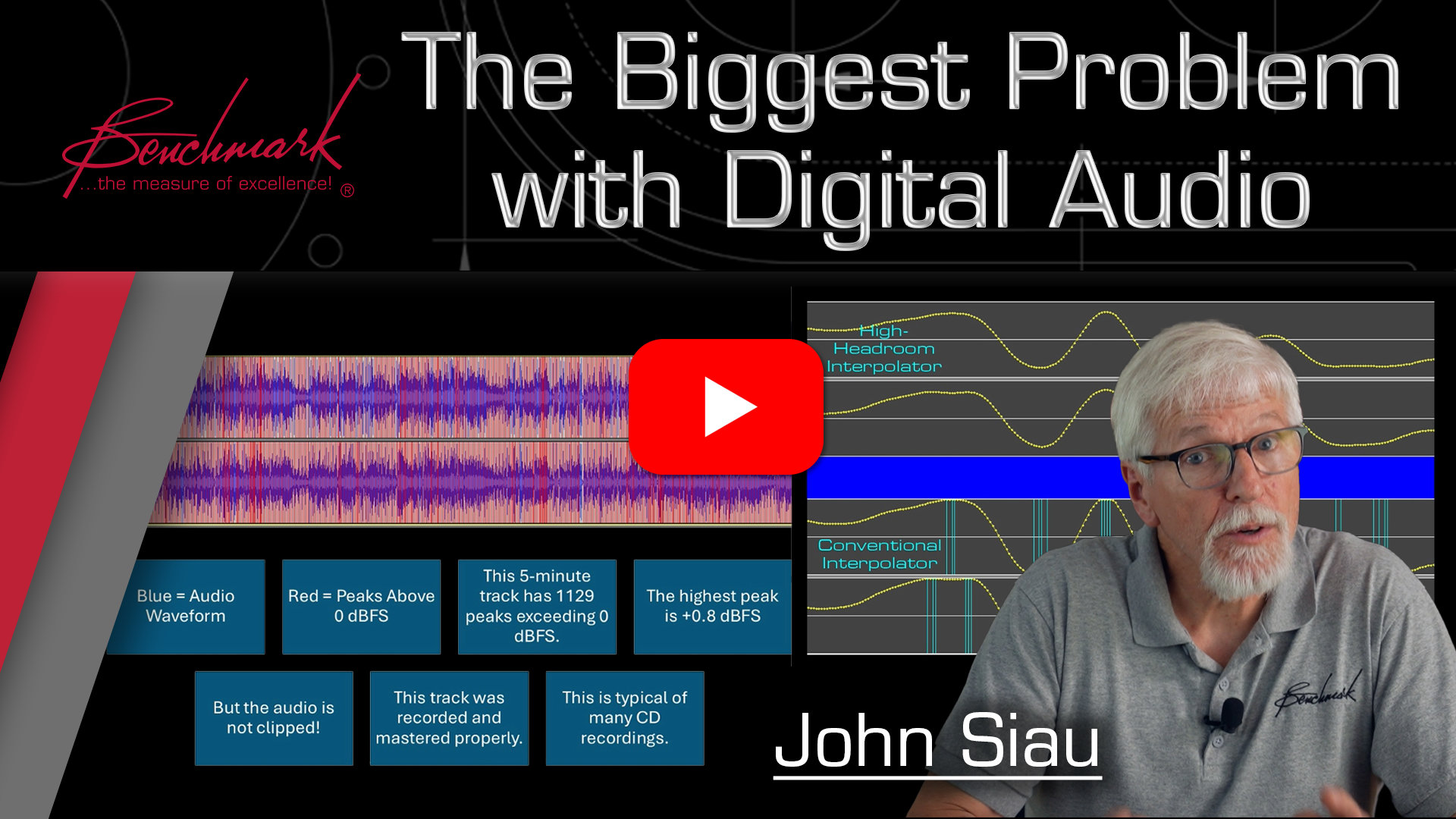
There is one single problem with digital audio that eclipses every other known problem. Nevertheless, this problem completely escapes the scrutiny of traditional audio measurements. John Siau shows how bursts of high-amplitude distortion are often produced by the digital playback equipment when playing ordinary CD tracks.
These bursts of distortion can occur thousands of times during a single track, and the distortion often exceeds 10% during each burst. At 10%, this distortion is just 20 dB lower than the level of the music. It is also louder than the distortion produced by typical loudspeakers.
This distortion is caused by a lack of digital headroom in DSP devices, sample rate converters, and oversampled D/A converters. These devices don't clip when playing traditional test tones, but they do clip when playing music!
Learn how you can apply a $0 fix that will eliminate this distortion!
|
|
|
|
|
| |
|
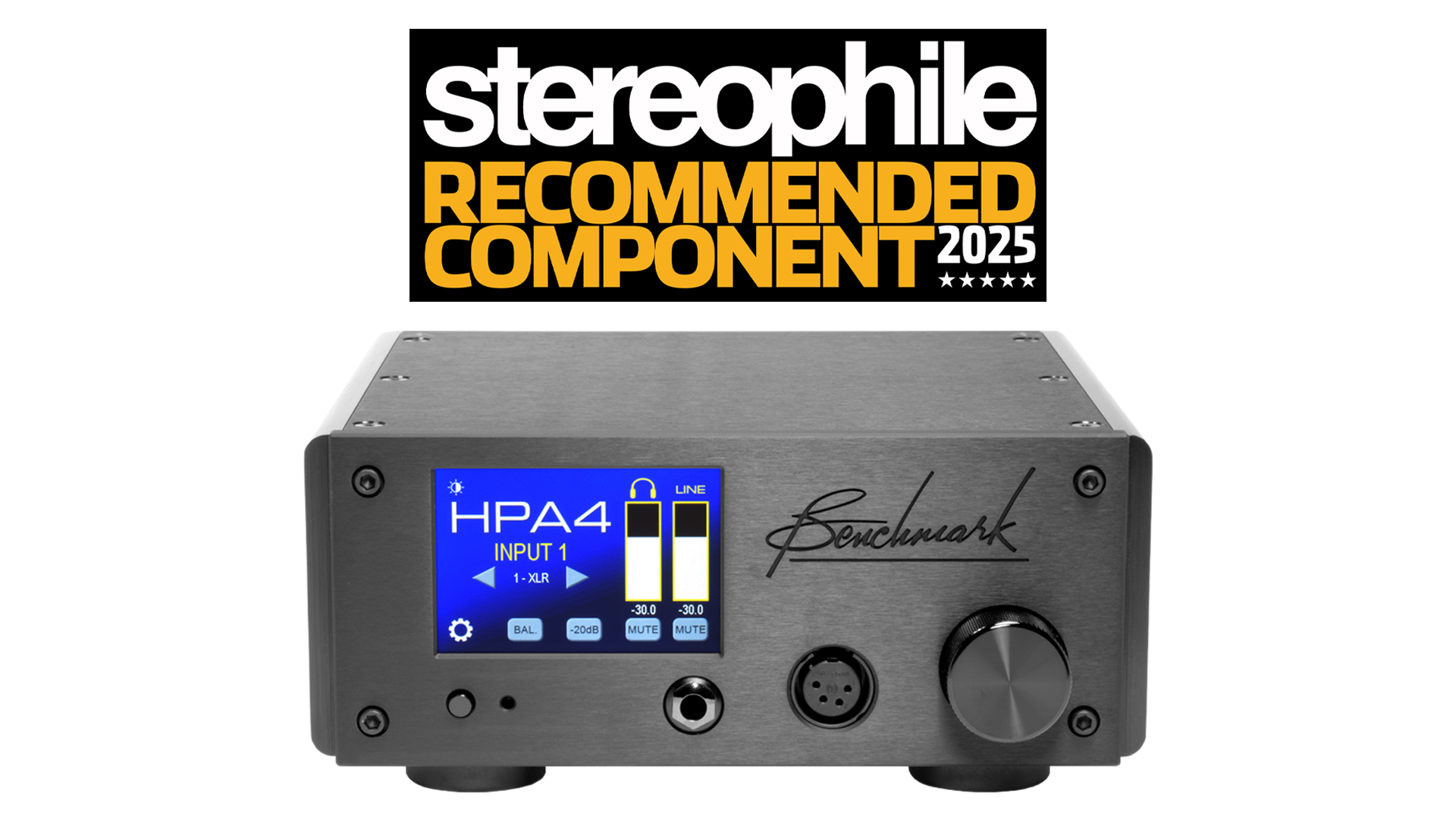
THE ULTIMATE HEADPHONE AMPLIFIER THX AAA-888
|
| |
| |
| |
|
|
|
| |
|
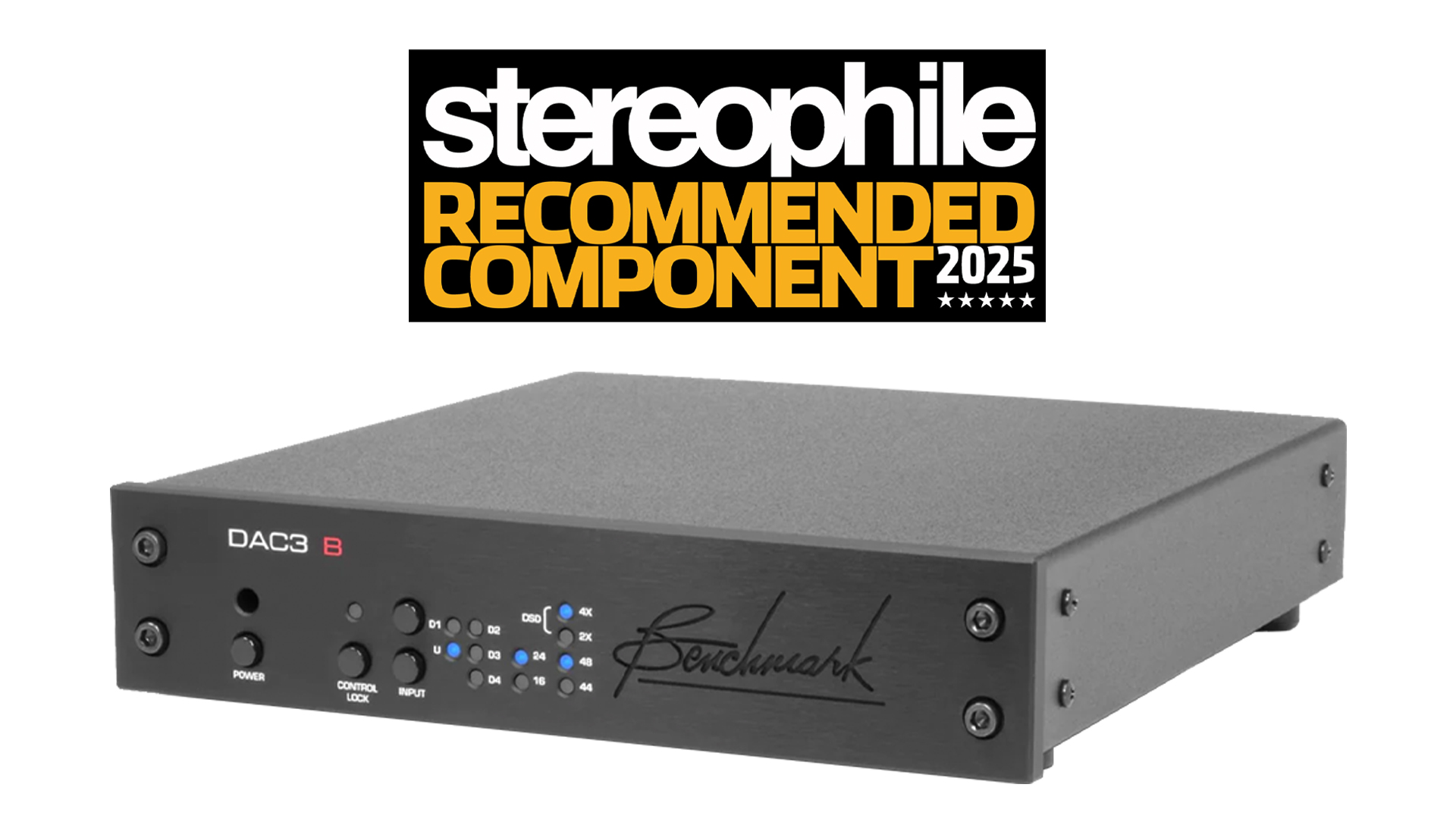
D/A CONVERTERS WITH NATURAL, UNCOLORED, ANALOG SOUND
|
| |
| |
| |
|
|
|
|
| |
|
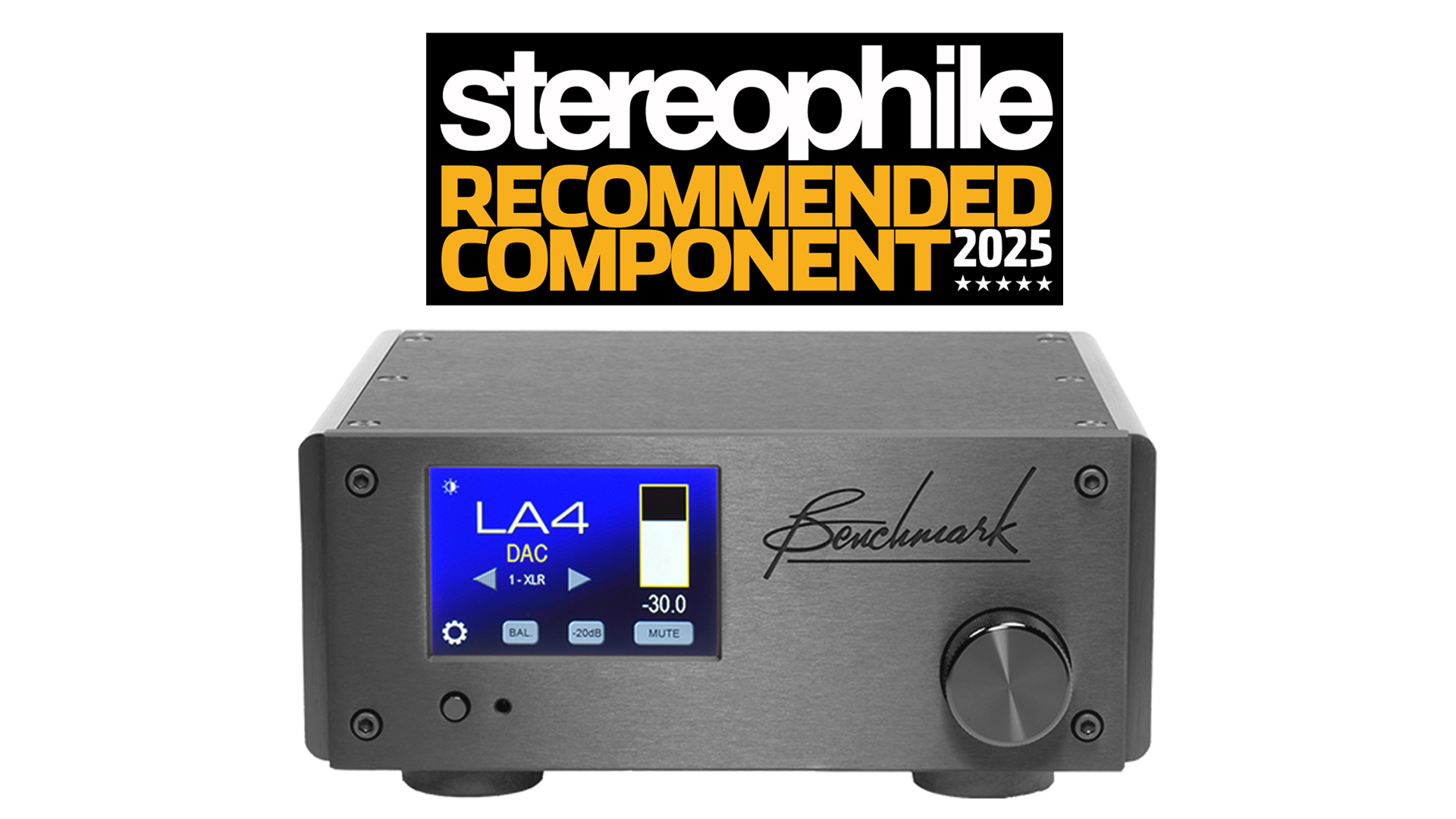
THE ULTIMATE LINE AMPLIFIER .
|
| |
| |
| |
|
|
|
| |
|
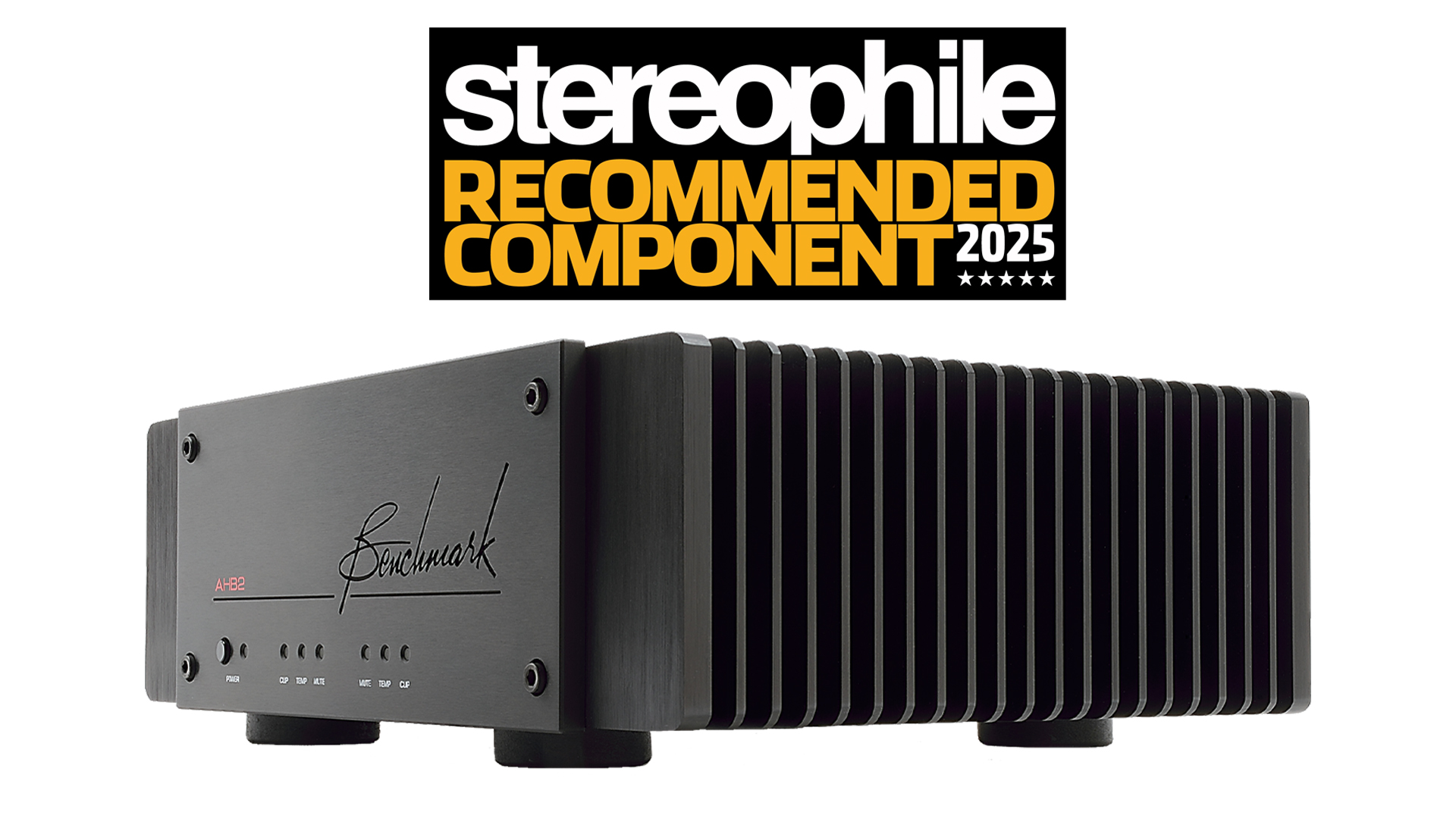
THE QUIETEST, CLEANEST AUDIO AMPLIFIER ON THE PLANET
|
| |
| |
| |
|
|
|
|
|
|
|
|